Showing posts with label Healthcare. Show all posts

Saturday, 25 March 2023

IBM and Cleveland Clinic unveil the first quantum computer dedicated to healthcare research

In late 2021, Cleveland Clinic and IBM entered into a landmark 10-year partnership to use emerging technologies to help crack some of the biggest challenges in healthcare and life sciences. Using a combination of state-of-the-art high-performance hybrid cloud computing, next-generation AI, and quantum computing, the goal was to create a collaborative environment for Cleveland Clinic researchers and partners to advance biomedical science and treatment, as well as foster the next generation technology workforce for healthcare.

IBM, IBM Exam Study, IBM Tutorial and Materials, IBM Career, IBM Learning, IBM Guides, LPI Prep, LPI Preparation

That partnership hit a major milestone last night, when Cleveland Clinic and IBM unveiled the first quantum computer delivered to the private sector and fully dedicated to healthcare and life sciences. The IBM Quantum System One machine sits in the Lerner Research Institute on Cleveland Clinic's main campus, and will help supercharge how researchers devise techniques to overcome major health issues. "Quantum and other advanced computing technologies will help researchers tackle historic scientific bottlenecks and potentially find new treatments for patients with diseases like cancer, Alzheimer’s and diabetes," said Dr. Tom Mihaljevic, CEO and president of Cleveland Clinic.

Many people across Cleveland Clinic and IBM Research have come together to make this launch possible.

IBM, IBM Exam Study, IBM Tutorial and Materials, IBM Career, IBM Learning, IBM Guides, LPI Prep, LPI Preparation

Dr. Serpil Erzurum, Cleveland Clinic’s chief research and academic officer, oversees enterprise-wide research programs that aim to deliver the most innovative care to patients. Her office doubles as an entry way into her lab, where her team studies mechanisms of airway inflammation and pulmonary vascular diseases.
IBM, IBM Exam Study, IBM Tutorial and Materials, IBM Career, IBM Learning, IBM Guides, LPI Prep, LPI Preparation

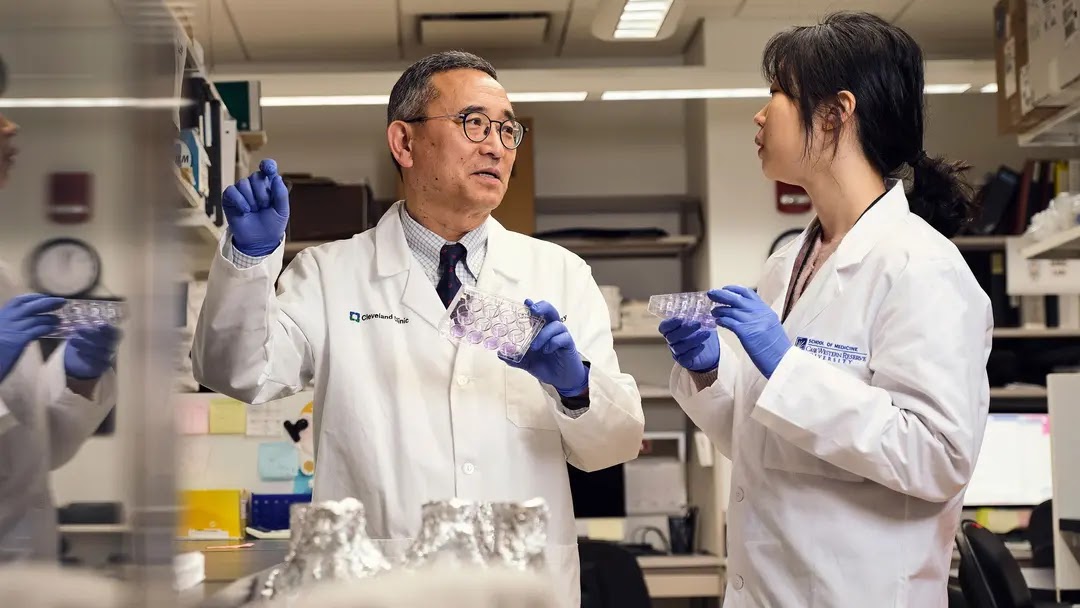
Dr. Jae Jung, director of the Global Center for Pathogen & Human Health Research, works closely with his team of dynamic scientists who focus on the understanding of viral pathogens and the human immune responses so that we can better prepare and protect against future public health threats.

IBM, IBM Exam Study, IBM Tutorial and Materials, IBM Career, IBM Learning, IBM Guides, LPI Prep, LPI Preparation

John Smith, IBM Fellow and chief IBM Scientist for the Discovery Accelerator, works in partnership with his Cleveland Clinic counterpart, Dr. Ahmet Erdemir, to orchestrate the many targeted workstreams that aim to accelerate biomedical research efforts. The complexity of the biomedical and healthcare data ecosystems require multidisciplinary investigations of disease trajectories, intervention possibilities and healthy homeostasis. Leveraging Cleveland Clinic’s biomedical research and clinical expertise and IBM’s global leadership in quantum computing and commitment to research at enterprise scale, the teams aim to advance the pace of discovery in healthcare and life sciences, and explore what wasn't previously possible.

IBM, IBM Exam Study, IBM Tutorial and Materials, IBM Career, IBM Learning, IBM Guides, LPI Prep, LPI Preparation

Dr. Feixiong Cheng, of Cleveland Clinic’s Genomic Medicine Institute, is working with the IBM team to develop computer-based systems pharmacology and multi-modal analytics tools to optimize human genome sequencing and leverage large-scale drug-target databases more efficiently. Together with IBM researchers, Yishai Shimoni and Michael Danziger, they are aiming to develop effective ways to improve outcomes in long-term brain care and quality of life for people with Alzheimer’s disease and dementia.

IBM, IBM Exam Study, IBM Tutorial and Materials, IBM Career, IBM Learning, IBM Guides, LPI Prep, LPI Preparation

Dr. Lara Jehi, chief research information officer at Cleveland Clinic, is the executive program lead for the Discovery Accelerator partnership, in addition to running her own research, where her team applies AI to large-scale data sets to understand the effect of anti-inflammatory drugs on seizure recurrence in epilepsy patients who went through cranial surgery, in partnership with IBM researcher Liran Szlak.

IBM, IBM Exam Study, IBM Tutorial and Materials, IBM Career, IBM Learning, IBM Guides, LPI Prep, LPI Preparation

Dr. Shaun Stauffer, director at the Center for Therapeutics Discovery, is working with IBM researcher, Wendy Cornell, to see how high-performance computing (HPC) and molecular modeling tools can be harnessed to vastly improve the small molecule discovery process, in particular with COVID antiviral drug development.

IBM, IBM Exam Study, IBM Tutorial and Materials, IBM Career, IBM Learning, IBM Guides, LPI Prep, LPI Preparation

At an event yesterday, leaders from Cleveland Clinic and IBM, along with local, state, and federal officials came together to formally unveil the IBM Quantum System One on main campus. Cleveland Clinic's CEO and President Dr. Tom Mihaljevic, along with IBM Vice Chairman Gary Cohn and Darío Gil, SVP and director of IBM Research, and Cleveland Mayor Justin Bibb, Ohio Lieutenant Governor Jon Husted, ARPA-H Deputy Director Dr. Susan Monarez and Congresswoman Shontel Brown, were in attendance for the ribbon-cutting.

Source: ibm.com

Thursday, 1 December 2022

For nearly two decades, IBM Consulting has helped power SingHealth’s digital transformation

IBM Exam, IBM Exam Study, IBM Tutorial and Materials, IBM Certification, IBM Prep, IBM Preparation, IBM Guides, IBM Career, IBM Skills, IBM Jobs

The healthcare industry’s heavy reliance on legacy systems, regulation and security challenges makes the journey toward digital transformation a significant hurdle. We saw this during the COVID-19 pandemic as many large healthcare systems scrambled to integrate digital technology at speed. While many healthcare institutions were caught off guard, Singapore Health Services (SingHealth), whose mission is “to define tomorrow’s medicine,” was poised to meet these challenges head on.

From cloud adoption to artificial intelligence (AI), automation to the internet of things (IoT), IBM Consulting has been helping SingHealth keep the lights for two decades. This partnership allows the public healthcare cluster to remain agile and navigate ongoing changes in compliance and technology. This means they can focus on what matters most: improving workforce productivity to deliver better patient outcomes.

An evolving partnership


SingHealth was born out of a regrouping of Singapore’s public health care system. Initiated by Singapore’s Ministry of Health (MOH), the goal was to better support an aging population and manage chronic diseases while addressing healthcare workforce and spending growth. Today, SingHealth is the largest of Singapore’s three public healthcare clusters providing first-class healthcare. Each year, more than 3.8 million patients visit its four hospitals, three community hospitals, five specialty centers and eight polyclinics.

In 2000, SingHealth’s longstanding relationship with IBM Consulting began with the design and integration of its healthcare information system. After this initial engagement, the IBM team became well-versed in SingHealth’s unique requirements, such as aligning their system to the Ministry of Health’s direction and maintaining compliance with statutory compliance.

HR digital transformation


In 2010, SingHealth needed to consolidate its disparate HR systems across its hospitals, specialty centers and polyclinics. SingHealth again turned to IBM Consulting, along with SAP Asia Pacific Japan, to build a single HR platform.

This system replaced the siloed systems with a common platform, facilitating better collaboration among the ten institutions involved. It also standardized policies on compensation and benefits, performance reviews and career development throughout the healthcare cluster. Following this standardization involving IBM Consulting the cluster won multiple HR awards including the SingHealth Enterprise award for IBM’s commitment as a “Partner in Our Success.”

Moving to the cloud securely


In 2016, SingHealth needed a better way to store, manage and process an ever-increasing amount of healthcare-related data. IBM Consulting facilitated the implementation and migration of their applications from physical on-premise legacy to private cloud systems.

By combining the benefits of cloud with the security and control of on-premises IT infrastructure, this solution was able to meet the Singapore Ministry of Health’s stringent standards for data governance. It also provided a critical layer of private cloud security to protect SingHealth’s IT system and its patients’ health information from attacks, breaches and other threats.

In 2017, the Ministry of Health launched yet another reorganization of the public health system into three integrated regional clusters. Subsequently, IBM Consulting played a key role in the merger of Singapore’s Eastern Health Alliance (EHA), located in the country’s eastern region with SingHealth, ensuring a smooth transition of the consolidation of applications across HR, finance, procurement and other critical areas.

Meeting COVID-19 challenges


With the onset of the COVID-19 pandemic, SingHealth’s HR processes had to be adapted to meet the requirements of the government’s COVID-19 healthcare strategy. Here, IBM Consulting worked to upgrade the cluster’s HR platform to process applications from employees who needed to take COVID-related leave.

Fulfilling statuary compliance and making continuous improvements


Building upon a foundation of strict regulatory compliance is critical to a healthcare organization’s reputation. IBM Consulting works with SingHealth to ensure the cluster complies with statutory and union requirements, and other mandates issued by the Ministry of Health.

Through its application management services, IBM Consulting continues to keep SingHealth’s HR and IT systems up-to-date and in line with business functions. This enables the cluster’s frontline professionals to operate efficiently and productively.

Keeping the lights on


Today, SingHealth’s applications cater to 17 institutions with more than 35,000 employees and are designed to scale and grow with the cluster.

IBM Consulting is proud to continue helping SingHealth keep the lights on so the healthcare system can deliver on its mission of defining tomorrow’s medicine.

Source: ibm.com

Tuesday, 22 November 2022

Healthcare’s Y2K: How to prepare for the FDA’s big update

IBM, IBM Exam, IBM Exam Study, IBM Exam Prep, IBM Tutorial and Materials, IBM Certification, IBM Career, IBM Jobs, IBM Prep

Who would have thought we would see yet another major shift in the healthcare and life sciences industry? But a change is coming via the FDA’s proposal to revise the National Drug Codes (NDCs), replacing an existing 10-digit format (XXXX-XXXX-XX) with the new 12-digit format (XXXXXX-XXXX-XX). This blog will discuss the implications and compliments the lengthier response IBM’s Enterprise Strategy and Life Sciences team at IBM Consulting provided to the US Federal Drug Administration (FDA).

Expanding the number range addresses the rapidly deprecating number range paving the way for decades as billions of new codes will be available. But this is not without significant challenges for anyone utilizing this data. Healthcare executives experienced a similar change before: Remember the move to the International Classification of Diseases (ICD) 10?

NDCs are used across the healthcare system by pharmaceutical manufacturers, distributors, pharmacies, insurers, healthcare providers and more. They are the critical data component of routine transactions like manufacturing, shipping, dispensing and prescribing. For the most part, this data is housed in outdated systems incapable of supporting an immediate shift from a 10-digit to a 12-digit format. Why is this the case? Because for years, the industry resorted to hardcoding (manually embedding data in the source code) the NDCs into the computing systems.

What does this mean for the industry? Think Y2K but for healthcare: racing the clock to update systems and datasets with major uncertainty as to whether these updates are enough to keep the processes functioning as they do today. For this reason, industry executives need to make a game plan now to mitigate the costs and risks associated with the FDA mandate. Below is what we discussed with the FDA and our industry partners.

Act today to save time tomorrow


The revision will go into effect five years after the publication date and initially require all existing codes to adopt the new format. For most companies, this will create months of manual labor, adjusting hard-coded data across many systems. We heard from our industry partners that they don’t have a complete view of which systems, business processes and transactions involve NDCs. Such an undertaking may be disruptive, time-consuming, costly and error-prone, introducing an abundance of liability.

One-time costs will include substantial updates to software systems as well as employee training to adopt these new systems. Organizations will also need to revise all product visual design and packaging to accommodate the new barcode system. In addition to the cost of implementation, the changes will also disrupt the ongoing activities of the impacted departments. To address this, it will be worth considering how this change could qualify for investment funding being used for other supply chain resilience initiatives already underway.

Additional considerations include an exhaustive planning and implementation cycle that will disrupt major milestones like new products and manufacturing centers, which will rely heavily on NDC data functionality. Couple this with the ongoing push towards Drug Supply Chain Safety Act (DSCSA) compliance, and the entire industry is in for several years of complication and disruption. Furthermore, each organization will have its own transformation timeline, introducing challenges of format interoperability throughout the transition window. For these reasons, it is imperative that companies act today to accommodate the various challenges this update promises to deliver.

Invest in diligence and a modernization plan to help speed time-to-compliance


Regulatory affairs and operations teams can take easy steps to pull together a plan to get to compliance within the 5-year timeframe (or hopefully sooner). Business leaders can expect changes to packaging, labeling, IT systems, transaction systems, scanning hardware and more. With multiple data updates pending, now is the time to implement systems capable of minimizing these challenges. Below are a few steps we believe our industry partners should take:

◉ Determine the scope of impact including systems, business processes, transactions, labeling and packaging, and external supply, as well as any training and quality compliance standards required.

◉ Understand the underlying technologies, tech architecture and opportunities to modernize as you upgrade to get to compliance.

◉ Leverage business area stakeholders to develop a transition plan that identifies interdependencies and initiatives required to reach full compliance.

◉ Develop a financial plan and implementation timeline based on available resources and future projects expected to be impacted by NDC revisions, like new product launches and manufacturing site openings.

◉ Develop a remediation program plan for stakeholders that addresses changes, key milestones, risk mitigation initiatives, expected costs and communication plans for industry partners.

◉ Realize the transition will be staged as some trading partners will adopt the change sooner than others and, even within a single organization, new products will likely launch with the new number range while older products continue utilizing the legacy numbering.

This transition may sound daunting, but with the right strategy and an open mind about using this as an opportunity to modernize technology systems, companies may yield a lot of long-term value.

Source: ibm.com

Sunday, 8 May 2022

Computer simulations identify new ways to boost the skin’s natural protectors

Working with Unilever and the UK’s STFC Hartree Centre, IBM Research uncovered how skin can boost its natural defense against germs.

IBM, IBM Exam Prep, IBM Exam Preparation, IBM Career, IBM Skills, IBM Jobs, IBM AI
As reported in Biophysical Journal, small-molecule additives can enhance the potency of naturally occurring defense peptides. Molecular mechanisms responsible for this amplification were discovered using advanced simulation methods, in combination with experimental studies from Unilever.

When in balance, our skin and its microbiome form a natural partnership that helps to keep our skin healthy and defends against external threats, like pollutants and germs that can cause infections. Disturbances in that partnership (called dysbioses) can lead to imbalances in the microbiome which can also contribute to body odor, skin problems, and in more extreme cases, even lead to medical conditions like eczema (or atopic dermatitis).

In addition to hosting your microbiome, your skin is an immunologically active organ, contributing to your body’s innate immune system with its naturally mildly acidic pH, mechanical strength, lipids, and a natural release by skin cells of protein-like materials called antimicrobial peptides (AMPs). Together, these form the first line of defense against infection causing microbes that land on your skin.

Unilever R&D and its global network of research partners have been investigating the role of skin immunity and AMPs for over a decade. When Unilever needed to develop new ways to understand, at the molecular level, how its products interact with AMPs to enhance skin defense activity, the company turned to IBM Research.

IBM and Unilever — in collaboration with STFC, which hosts one of IBM Research’s Discovery Accelerators at the Hartree Centre in the UK — used high performance computing and advanced simulations running on IBM Power10 processors to understand how AMPs work and translate this knowledge into consumer products that boost the effects of these natural-defense peptides. This work builds upon a long-standing partnership between IBM, Unilever and the STFC Hartree Centre aimed at advancing digital research and innovation.

As we report in Biophysical Journal, our work alongside STFC’s Scientific Computing Department found that small-molecule additives (organic compounds with low molecular weights) can enhance the potency of these naturally occurring defense peptides. Using our own advanced simulation methods, in combination with experimental studies from Unilever, we also identified specific new molecular mechanisms that could be responsible for this improved potency.

IBM, IBM Exam Prep, IBM Exam Preparation, IBM Career, IBM Skills, IBM Jobs, IBM AI

Simulating molecular interactions


Although there’s been a lot of research focused on designing new, artificial antimicrobials, Unilever wanted to concentrate on boosting the potency of the body’s naturally occurring germ fighters with small-molecule additives. IBM Research has already developed computational models for membrane disruption and permeation through physical modeling, but Unilever’s challenge was a new area of exploration for us, given the extremely complex nature of having to model how AMPs interact with the skin and calculate which would be the most efficacious.

Several years ago, Unilever scientists in India discovered that Niacinamide, an active form of vitamin B3 naturally found in your skin and body, could enhance AMP expression levels in laboratory models. At the same time Unilever’s team also observed an unexpected enhancement of AMP antimicrobial activity in cell-free systems, and wanting to understand why this enhanced activity was happening — a research collaboration between Unilever, IBM, and STFC was initiated.

To answer Unilever’s question we developed computer simulations to investigate how single molecules interact with bacterial membranes at the molecular scale to demonstrate the fundamental biophysical mechanisms in play. These models then formed the basis of more complex simulations that examined in similar detail how small molecules interact with skin defense peptides to affect their potency. The results of these simulations were compared to the results of extensive laboratory experimental tests conducted by Unilever to confirm our computational predictions on a range of niacinamide analogs with differing abilities to promote AMP activity in lab models.

We first used physical modeling to determine the effects of the B3 analogs on LL37, a common AMP on human skin. We then simulated these molecules using high-performance computing to predict their performance and generate detailed time-bound simulations that allowed us to “see” these interactions in molecular detail. This work enabled us to demonstrate that niacinamide (and another analog, methyl niacinamide) could indeed naturally boost the effect of the AMP peptide LL37 on the bacterium Staphylococcus aureus, an organism widely associated with skin infections.

A radical discovery process — and a map for hunting new bioactives


Our work has helped us understand how these molecules can improve hygiene, but it also provided us with a deeper understanding of the molecular mechanisms responsible for enhanced AMP performance, by pairing simplified model systems and advanced computation that radically accelerated technology evaluation. We believe this workflow can allow us to create innovative and sustainable products that can help to protect us from pathogens both now and in the future.

IBM, IBM Exam Prep, IBM Exam Preparation, IBM Career, IBM Skills, IBM Jobs, IBM AI
The scientific method, applied to peptides.

This research was made possible by our and our partners’ capabilities in high-performance computing. Combining these technologies allowed us to supercharge the scientific method to promote discovery at a far more rapid pace, a process we’ve come to call accelerated discovery. 

We’re excited that our work can help Unilever better understand how to leverage AMPs in future products to help countless people around the world through the development of effective and sustainable hygiene products, while complying with the applicable regulations..

For us at IBM, this work is also the start of an exciting new chapter as we explore how this work can help accelerate research into other harmful pathogens, such as Methicillin-resistant Staphylococcus aureus (MRSA), that can cause severe disease if their growth is not controlled. More broadly, this work opens a new pathway to discovering natural, small-molecule boosters to amplify the function of antimicrobial peptides Our understanding of these mechanisms and the process we used can be applied for other research, for example, in the search for novel antimicrobials.

This was a cross-industry academia partnership that spanned the globe, with scientists from India and the UK coming together to solve germane and pressing problems with real world application. We hope one of the lasting impacts of this work is that for future research in this field, we’re able to choose or devise computational models simple enough to capture essential biological processes — without adding unnecessary time or complexity.

Source: ibm.com

Sunday, 17 April 2022

IBM continues advancing disease progression modeling and biomarkers research using the latest in AI

New research by IBM and JDRF published in Nature Communications advances AI’s ability to better predict onset of Type I diabetes.

IBM Career, IBM Skills, IBM Jobs, IBM Certification, IBM Tutorial and Material, IBM Preparation

Type 1 diabetes (T1D) is an autoimmune disease that can strike both children and adults. It can leave those afflicted with difficult, life-long disease management issues and potentially devastating long-term complications such as kidney failure, heart attack, stroke, blindness, and amputation.

There is no prevention or cure for this disease, and rates of T1D have risen steadily over recent decades, making research on prevention and early detection increasingly critical.

Last year, IBM Research highlighted previous related research conducted in collaboration with JDRF and five academic research sites which form the T1DI Study Group: in the US (DAISY, DEW-IT), Sweden (DiPiS), Finland (DIPP), and Germany (BABYDIAB/BABYDIET). That work advanced insights into development of biomarkers associated with the risk of T1D onset in children and ultimately found that the number of islet autoantibodies present at seroconversion, the earliest point in autoimmunity development, can reliably predict risk of T1D onset in young children for up to 10 to 15 years into the future.

Now, IBM Research has another important milestone in this field of research. This week, Nature Communications published new research by the T1DI Study Group which shows that the progression of Type 1 diabetes from the appearance of islet autoantibodies to symptomatic disease is predicted by distinct autoimmune trajectories. In this work, we added a unique data visualization tool – DPVis – to the AI and machine-learning tools IBM Research has been developing for disease progression modeling (DPM Tools). This has allowed us to unlock entirely new insights from the study data that may ultimately help refine how we understand the impact of islet autoantibodies on the development of T1D, thereby improving our ability to predict onset of the disease. 

These new tools allowed us to unlock entirely new insights from the study data that may ultimately help refine how we understand the impact of islet autoantibodies on the development of T1D.

As we previously showed, the presence of multiple islet autoantibodies at seroconversion increase risk of T1D, but they may not occur consistently over time — and a patient may have different combinations of antibodies at different points in time. Our previous research showed that the implications of these changes were unclear, so we set out to address this by analyzing the complex patterns of antibodies that occur over time instead of at a single point in time. In doing so, we identified three distinct trajectories, or “pathways,” associated with varying degrees of risk, each of which was comprised of multiple distinct states.

The combination of AI and data visualizations made it possible to put researchers in the loop for this large-scale, long-term collaboration by providing a common framework for our evolving understanding of how biomarkers influence a patient’s journey toward disease onset.

This research could eventually make it easier to identify at-risk children whose families can learn about the symptoms of T1D, allowing early diagnosis. Unfortunately, many today are not diagnosed until they have progressed to diabetic ketoacidosis, a life-threatening condition with potential long-term negative health effects. In addition, at-risk children can participate in clinical trials focused on delaying, and possibly preventing, the onset of T1D.

Broader efforts on disease progression modelling and biomarker discovery


Our work on T1D is just one part of a broader mission at IBM Research to develop AI technologies such as the DPM Tools to advance scientific discoveries in healthcare and life sciences. In addition to JDRF, we collaborated with other foundations that brought in deep commitment and scientific expertise, notably CHDI Foundation for Huntington’s disease.

Symptoms of Huntington’s typically begin to manifest between ages 30 and 50 and worsen over time, ultimately resulting in severe disability. While there is currently no treatment available to slow the progression of the disease, there are medications that are used to treat specific symptoms. Unfortunately, most have side effects that can have a negative impact on quality of life for patients with Huntington’s.

CHDI and IBM have been engaged in collaborative research along with other academic institutions for several years, addressing multiple research questions that have spanned disease progression modeling, brain imaging, brain modeling, and molecular modeling.

Most recently, this collaboration created another important paper, describing nine disease states of clinical relevance discovered using our suit of DPM Tools. The ability to derive characteristics of disease states and probabilities of progression enabled by models like these could accelerate drug development through the discovery of novel biomarkers and improved clinical trial design and participant selection.

This work was published in Movement Disorders the official journal of the International Parkinson’s and Movement Disorder Society, and the significance of our work was highlighted in a Nature Reviews Neurology “In Brief” section. We also carried out similar work on Parkinson’s disease in collaboration with the team at the Michael J. Fox Foundation which was published in The Lancet Digital Health.

While the specifics vary, these three conditions all share certain characteristics, specifically a profound, life-long impact on the lives of patients and their families and the fact that they are all highly complex conditions, with progression pathways that are difficult to assess, characterize and predict.

Looking to what’s ahead


Modern science is a team effort, but nowhere is this truer than in healthcare where breakthroughs in understanding disease and developing new treatments, require collaboration among research teams across numerous disciplines.

IBM has been actively convening, coordinating, or participating in such inter-disciplinary teams, resulting in clinically important findings and high-impact journal publications. The three projects highlighted here stand out as exemplars of our approach to scientific discovery through collaboration with communities of discovery. Through this work, we have established an ecosystem of reusable methodologies, models and datasets that is already being applied to study other pathologies and that will be used to broaden the scope of our work in the future.

Source: ibm.com

Tuesday, 3 August 2021

Researchers use AI to better spot risk factors of Type 1 diabetes

IBM Research created the Type 1 Data Intelligence Study cohort—the largest one of its kind for predictors of childhood T1D. It brought together Type 1 diabetes data from studies done around the world over the last 30 years.

IBM Exam Preparation, IBM Learning, IBM Career, IBM Tutorial and Material, IBM Prep, IBM Guides

Type 1 diabetes (T1D) is an autoimmune disorder that can affect people at any age, and there is currently no cure. The only hope is to delay or prevent its onset—and this is where our latest machine learning-based research can help.

Our team, composed of scientists from IBM and JDRF—a leading research and advocacy organization for T1D—and five academic research centers in four different countries, has just published a breakthrough study, “Islet Autoimmunity and HLA Markers of Presymptomatic and Clinical Type 1 Diabetes: Joint Analyses of Prospective Cohort Studies in Finland, Germany, Sweden, and The United States.”


Appearing in Diabetes Care, it is the first major clinical paper from this collaboration on identifying patients at high risk for the disease. The Type-1 Data Intelligence (T1DI) Study is a large and unique cohort of children followed closely from birth.

Our work has provided insights into development of biomarkers associated with risk of T1D onset in children. We believe that our results could make it easier to find at-risk children for clinical trials focused on delaying, and possibly preventing, the onset of T1D.

Children affected the most


No cure, life-long insulin dependency and possible long-term complications including cardiovascular disease, kidney failure and diabetic retinopathy, which can lead to blindness. This is what T1D is: it's an auto-immune condition that can affect people at any age but is typically diagnosed during childhood or adolescence. In the United States, T1D affects about 1.6 million people, many of whom are young children and adolescents, according to the American Diabetes Association. And this number is on the rise.

The disease typically develops over five to 15 years, with the gradual loss of insulin-producing beta cells in the pancreas. It is this gradual development, over decades, that has prompted scientists to look for ways to help delay or prevent its onset. We are among them, armed with the latest machine learning technology.

First, the IBM Research team created the T1DI Study cohort, the largest of its kind for predictors of childhood T1D. In partnership with JDRF, which brought together a team of over 30 scientists from nine institutions in four countries, we combined the data from five natural history studies of T1D led by those institutions. Some studies began over 30 years ago.

IBM Exam Preparation, IBM Learning, IBM Career, IBM Tutorial and Material, IBM Prep, IBM Guides
Figure 1:
IBM Research created the Type 1 Data Intelligence Study, which closely followed a large and unique cohort of children from birth.

These studies all focused on the development of T1D; however, the study design, duration and data collected was different for each project—meaning we had to integrate the individual datasets in a way that was common to all studies.

The datasets included measurements of islet autoantibodies—biomarkers specific to T1D that can develop and change over time. Biomarkers are measurable substances that can be detected with the help of laboratory testing or other mechanisms, and indicate potential presence or risk of developing a disease. The term 'seroconversion' describes the earliest time point at which such autoantibodies are detected in a blood test and marks the start of autoimmunity.

Since the data was collected over many years and across multiple locations, lab tests for biomarkers used different methods or reporting standards—among sites and over time, as well as genotyping methods differing in resolution. This was an additional complication, so we also harmonized the data in a way that results reported in different ways could be analyzed together.

Advanced machine learning at work


Once data preparation was done, the real analytic work could begin.

We used advanced statistical and machine learning methods, and our research team developed innovative and interactive graphical tools. A paper on one of those visualization tools, DPVis, was published last year in IEEE Transactions on Visualization and Computer Graphics. Another on simulating population-level screening, using the COOL (Collaborative Open Outcomes tooL), will be presented at the upcoming AMIA 2021 Annual Symposium in November.

Throughout the research, we applied advanced machine learning algorithms to identify predictors of T1D onset. The data we used included patient characteristics such as sex and genotypes known to be associated with onset of T1D. We also relied on laboratory test results collected over time from each study participant, specifically for the three islet autoantibodies associated with development of T1D. Our analysis discovered new patterns of autoantibody development, and their links to other risk factors.

By analyzing the data, we found that the number of islet autoantibodies present at seroconversion, the earliest time point in autoimmunity development, can reliably predict risk of T1D onset in young children for periods up to 10 to 15 years into the future.

IBM Exam Preparation, IBM Learning, IBM Career, IBM Tutorial and Material, IBM Prep, IBM Guides
Figure 2:
IBM and JDRF research provides insights into development of biomarkers associated with risk of T1D onset in young children, which could make it easier to find at-risk children for clinical trials focused on delaying, and possibly preventing, the onset of T1D.

For children with multiple autoantibodies—more than one type of islet autoantibody—at the time of seroconversion, the risk of developing T1D is very high, about 90 percent over a 15-year period. Also, the younger the age at which children develop multiple autoantibodies, the greater the risk, peaking between two to four years of age. We also confirmed that genotypes for T1D do not affect the risk in multiple autoantibody-positive children.

Our research has also shed new light on risk of T1D in single autoantibody-positive children. Their 15-year risk of T1D onset is markedly lower, just some 30 percent, especially for children with only a single autoantibody at time of seroconversion and those remaining single after that. Even though this risk seems overall substantial, we found that their individual risk assessment can be improved based on genetic profile and a repeat antibody test in about two years.

In other words, we found that the overall risk for developing T1D for single autoantibody-positive children remains considerably lower, but is especially low if these children do not develop a second autoantibody in the two years that follow seroconversion. Also, children who remain positive for only a single autoantibody, as well as having a low-risk genotype for T1D, have substantially lower risk: just about 12 percent overall, or about one third lower than those with high-risk genotypes.

Helping identify at-risk children


These findings could help identify and stratify participants for trial recruitment based on the number of autoantibodies and genetic results. Similarly, the results could help inform routine screening, monitoring cadence and overall management of at-risk children. Population-based screening and surveillance is typically done for diseases where a cure or immediate treatment is available, which is not yet the case for T1D. However, T1D onset and initial diagnosis is often associated with life-threatening complications of diabetic ketoacidosis (DKA), increasing the importance of early detection.

Early identification of at-risk children could help families and caregivers to better understand the risk and recognize early signs of DKA to reduce its incidence at onset. This is particularly valuable since research has shown reduced DKA rates in study participants who were routinely tested for development of autoantibodies and followed, at least in the constituent T1DI studies.

In light of ongoing research to delay or prevent onset of T1D, such as in the TrialNet consortium, our findings should help inform screening programs to identify high-risk individuals early as potential candidates for such trials. This could benefit not only the children who participate, but also the entire T1D research community.

In addition, our research has validated important previous results by the ADA, JDRF and the Endocrine Society. In 2015, these findings led to a proposal for staging T1D based on development of islet autoimmunity as stage 1.

Disease stages are often used in helping clinicians identify when patients should be monitored or treated in different ways. For example, early disease stages may mean less frequent monitoring and limited or no treatment, while later stages may require much more frequent visits and more aggressive treatments or other interventions. Improved staging helps clinicians and caregivers provide the best care for their patients at all stages of disease.

In summary, we have found specific combinations of factors involving autoantibody patterns and genetics that are associated with different rates and probabilities of developing T1D. Our results not only pave the way for better understanding of risk factors for T1D but may also help to develop guidelines for routine screening, monitoring and management of at-risk children.

Such guidelines can help reduce complications at onset and may identify patients who might benefit from participation in ongoing clinical trials intended to delay or prevent onset of T1D.

Source: research.ibm.com

Saturday, 17 April 2021

IBM researchers investigate ways to help reduce bias in healthcare AI

Artificial intelligence keeps inching its way into more and more aspects of our life, greatly benefitting the world. But it can come with some strings attached, such as bias.

AI algorithms can both reflect and propagate bias, causing unintended harm. Especially in a field such as in healthcare.

Also Read: C2090-556: Informix 11.50 Application Developer

Real-world data give us a way to understand how AI bias emerges, how to address it and what’s at stake. That’s what we have done in our recent study, focused on a clinical scenario, where AI systems are built on observational data taken during routine medical care. Often such data reflects underlying societal inequalities, in ways that are not always obvious – and this AI bias could have devastating results on patients’ wellbeing.

Our team of researchers, from IBM Research and Watson Health, have diverse backgrounds in medicine, computer science, machine learning, epidemiology, statistics, informatics and health equity research. The study — “Comparison of methods to reduce bias from clinical prediction models of postpartum depression,” recently published in JAMA Network Open — takes advantage of this interdisciplinary lineup to examine healthcare data and machine learning models routinely used in research and application.

We analyzed postpartum depression (PPD) and mental health service use among a group of women who use Medicaid, a health coverage provider to many Americans. We evaluated the data and models for the presence of algorithmic bias, aiming to introduce and assess methods that could help reduce it, and found that bias could create serious disadvantages for racial and ethnic minorities.

We believe that our approach to detect, assess and reduce bias could be applied to many clinical prediction models before deployment, to help clinical researchers and practitioners use machine learning methods fairer and more effectively.

What is AI fairness, anyway?

Over the past decades, there has been a lot of work addressing AI bias. One landmark study recently showed how an algorithm, which was built to predict which patients with complex health needs would cost the health system more, disadvantaged Black patients due to unrecognized racial bias in interpreting the data. The algorithm used healthcare costs incurred by a patient as a proxy label to predict medical needs and provide additional care resources. While this might seem logical, it does not account for the fact that Black patients had lower costs at the same level of need as white patients in the data and were therefore missed by the algorithm.

To deal with the bias — to ‘debias’ an algorithm — researchers typically measure the level of fairness in AI predictions. Fairness is often defined with respect to the relationship between a sensitive attribute, such as a demographic characteristic like race or gender, and an outcome. Debiasing methods try to reduce or eliminate differences across groups or individuals defined by a sensitive attribute. IBM is leading this effort by creating AI Fairness 360, an open-source python toolkit that allows researchers to apply existing debiasing methods in their work.

But applying these techniques is not trivial.

There is no consensus on how to measure fairness, or even on what fairness means, which is shown by conflicting and incompatible metrics of fairness. For example, should fairness be measured by comparing what the model predicted or the accuracy of the models? Also, in most cases it is not clearly known how and why outcomes differ by sensitive attributes like race. As a result, a great deal of prior work has been done using simulated data or by using simplified examples that do not reflect the complexity of real-world scenarios in healthcare.

So we decided to use a real-world scenario instead. As researchers in healthcare and AI, we wanted to demonstrate how recent advances in fairness-aware machine learning approaches can be applied to clinical use cases so that people can learn and use those methods in practice.

Debiasing with Prejudice Remover and reweighing

PPD affects one in nine women in the US who give birth, and early detection has significant implications for maternal and child health. Incidence is higher among women with low socioeconomic status, such as Medicaid enrollees. Despite prior evidence indicating similar PPD rates across racial and ethnic groups, under-diagnosis and under-treatment has been observed among minorities on Medicaid. Varying rates of reported PPD reflect the complex dynamics of perceived stigma, cultural differences, patient-provider relationships and clinical needs in minority populations.

We focused on predicting postpartum depression and postpartum mental health care use among pregnant women in Medicaid. We used the IBM MarketScan Research Database, which contains a rich set of patient-level features for the study.

Our approach had two components. First, we assessed whether there was evidence of bias in the training data used to create the model. After accounting for demographic and clinical differences, we observed that white females were twice as likely as Black females to be diagnosed with PPD and were also more likely to use mental health services, post-partum.

This result is in contrast to what is reported in medical literature — that the incidence of postpartum depressive symptoms is comparable or even higher among minority women — and possibly points to disparity in access, diagnosis and treatment.

It means that unless there is a documented reason to believe that white females with similar clinical characteristics to Black females in this study population would be more susceptible to developing PPD, the observed difference in outcome is likely due to bias arising from underlying inequity. In other words, machine learning models built with this data for resource allocation will favor white women over Black women.

IBM Researchers, IBM Tutorial and Material, IBM Learning, IBM Career, IBM Prep
We then successfully reduced this bias by applying debiasing methods called reweighing and Prejudice Remover to our models through the AI Fairness 360 Toolkit. These methods mitigate bias by reducing the effect of race in prediction through weighting training data or modifying algorithm’s objective function.

We compared the two methods to the so-called Fairness Through Unawareness (FTU) method that simply removes race from the model. We quantified fairness using two different methods to overcome the limitations of imperfect metrics. We showed that the two debiasing methods resulted in models that would allocate more resources to Black females compared to the baseline or the FTU model.

As we’ve shown, clinical prediction models trained on potentially biased data could produce unfair outcomes for patients. In conducting our research we used the types of ML models increasingly applied to healthcare use cases, so our results should get both researchers and clinicians think about bias issues and ways to mitigate any possible bias before implementing AI algorithms in care.

Source: ibm.com